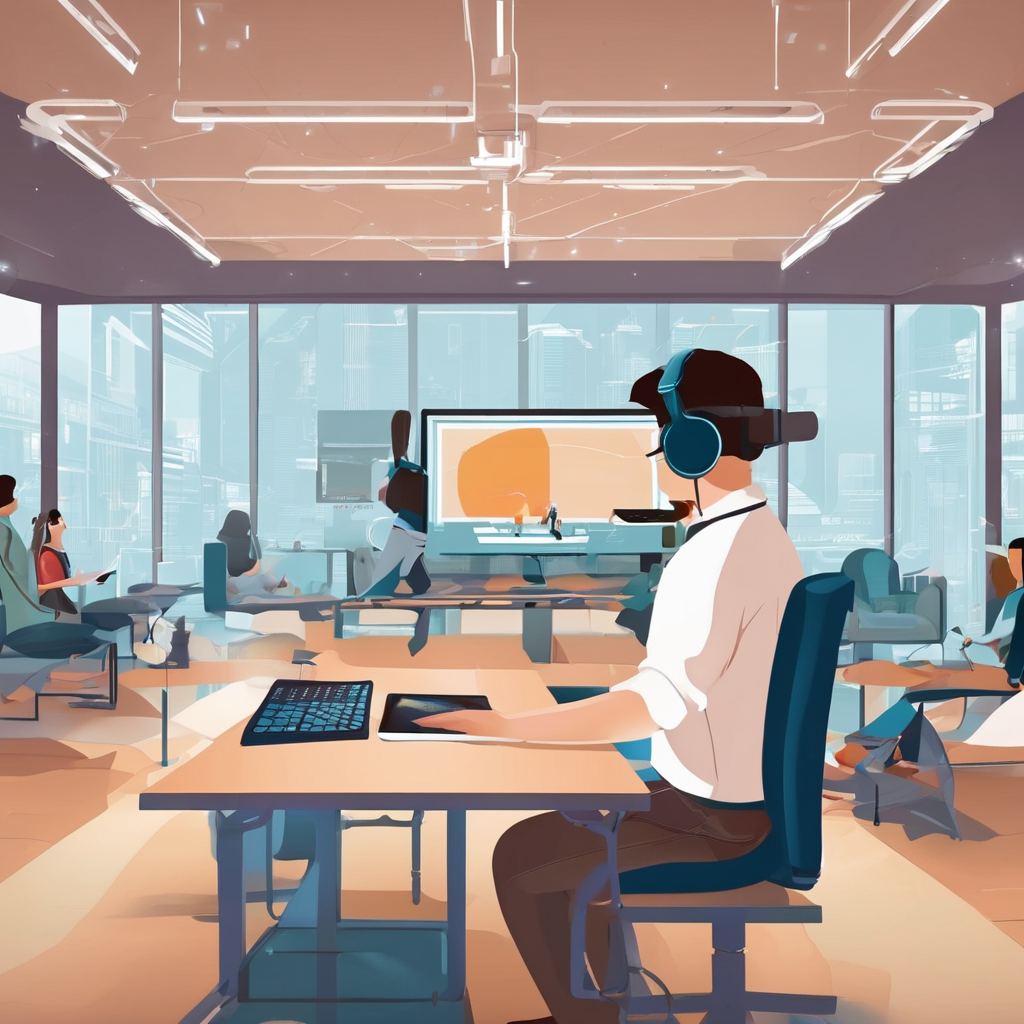
Virtual classrooms have transformed the way we learn, providing access to education regardless of physical location. As we look ahead to 2025, the future of virtual classrooms appears to be even more promising. With advancements in technology and education systems, virtual classrooms are set to revolutionize the way students engage with learning materials and interact with their peers and instructors.
One of the key trends shaping the future of virtual classrooms is the integration of artificial intelligence (AI) and machine learning. By leveraging these technologies, virtual classrooms can provide personalized learning experiences tailored to each student’s needs and learning pace. AI algorithms can analyze student performance data in real-time, identify areas for improvement, and recommend customized study plans.
In addition to AI, virtual reality (VR) and augmented reality (AR) are expected to play a significant role in enhancing the immersive learning experience in virtual classrooms. Imagine students being able to explore historical landmarks in VR, conduct virtual science experiments, or participate in interactive simulations that mimic real-world scenarios. These technologies have the potential to make learning more engaging and effective.
Collaboration and communication are essential components of a successful virtual classroom environment. In 2025, we can expect to see further developments in collaborative tools that enable students to work together on projects, share ideas, and communicate with their peers and instructors in real-time. Virtual breakout rooms, discussion forums, and group messaging platforms will facilitate teamwork and foster a sense of community among students.
The future of virtual classrooms also holds great promise for accessibility and inclusivity. By removing physical barriers to education, virtual classrooms can provide opportunities for learners with disabilities or those living in remote areas to access high-quality education. Captioning services, screen reader compatibility, and other accessibility features will ensure that all students can participate fully in the virtual learning experience.
As the world becomes increasingly interconnected, virtual classrooms offer a global platform for collaboration and cultural exchange. In 2025, students from different countries and backgrounds will have the opportunity to connect with each other, share perspectives, and learn from diverse cultural experiences. Virtual classrooms will promote cross-cultural understanding and prepare students for the challenges of a globalized world.
The role of educators in virtual classrooms will also evolve in the coming years. Teachers will need to adapt to new technologies, learn how to effectively engage students in virtual environments, and provide guidance and support as students navigate online learning platforms. Professional development programs for educators will be crucial to ensure they have the skills and knowledge to excel in virtual teaching roles.
Data privacy and security will remain a top priority as virtual classrooms continue to expand. With increased reliance on online platforms and digital tools, protecting student data and ensuring secure communication channels will be essential. Schools and educational institutions will need to implement robust cybersecurity measures to safeguard sensitive information and prevent unauthorized access.
In conclusion, the future of virtual classrooms in 2025 looks bright and full of potential. With advancements in technology, personalized learning experiences, immersive technologies, and a focus on inclusivity and collaboration, virtual classrooms are poised to revolutionize education on a global scale. As we embrace these innovations, it is essential to prioritize student engagement, accessibility, data privacy, and the ongoing professional development of educators to ensure the success of virtual learning environments.